Behind The Beans: DONA Coffee Partners with Female Coffee Farmers
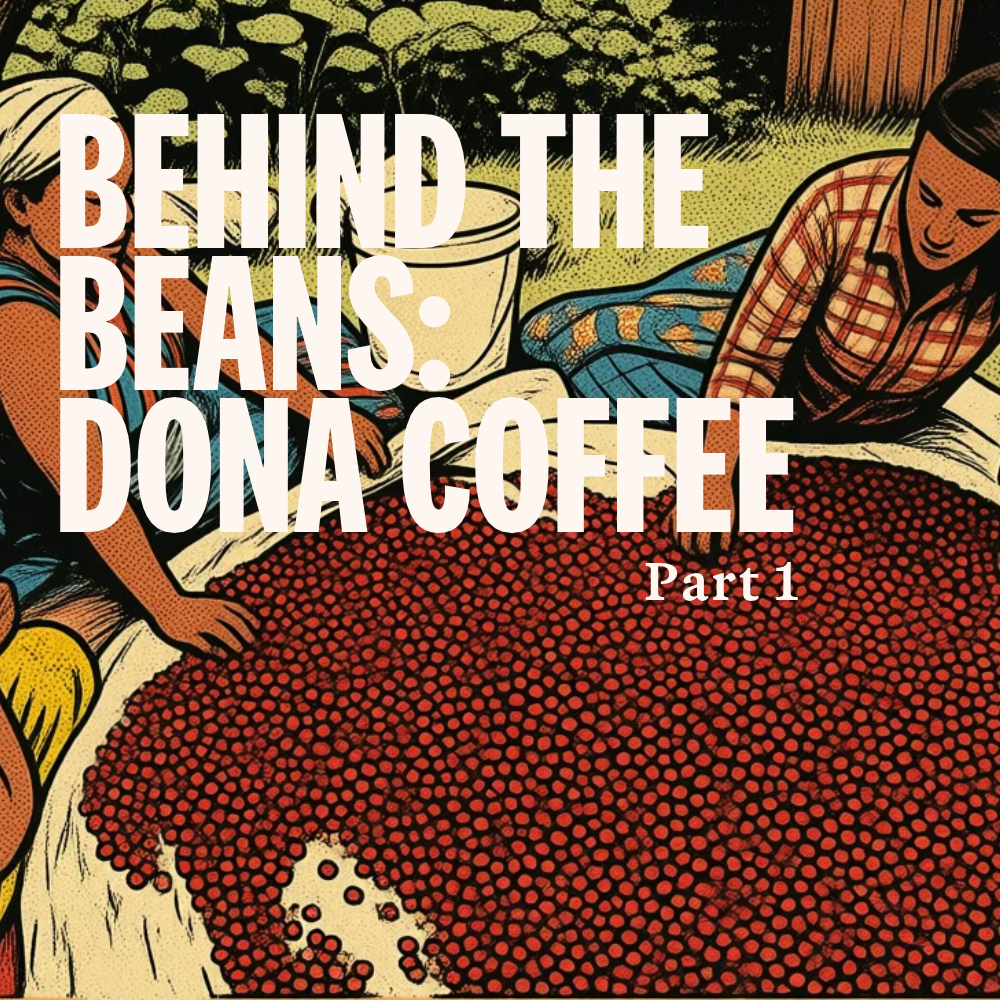
A Coffee Brand That collaborates with Women coffee farmers
DONA Coffee, an impactful coffee brand nestled in St-Légier, not so far from the Lac Léman in Switzerland.
The brand has an interesting take on the coffee industry: closing the gender gap by collaborating with the women farmers who work hard to cultivate the beans and ensuring they are paid a fair price.
Most coffee in the world is picked by women, but very few women actually own the land or see the profits. Dona Coffee was created with the ambition to partner with these women through an ethical and fair collaboration.
Dona Coffee sources 100% of its specialty whole beans directly from women coffee farmers and female-led cooperatives across Colombia, Rwanda, Kenya, Brazil, Indonesia and DR Congo. By partnering closely with these women and paying fair direct premiums, Dona Coffee contributes in building their financial independence, supporting their families, and leading their communities.
DONA coffee sells freshly roasted whole beans of coffee and home compostable capsules.
Portraits of the women behind the beans
Rebuild Women’s Hope (Idjwi Island, DRC)
Founded in 2015 by Marceline Budza, this cooperative unites over 1,800 women farmers. They grow Organic and Fairtrade Red Bourbon coffee high in the mountains, achieving an 86 SCA quality score. Alongside interest-free loans, their coffee profits directly fund a maternity clinic and a women's business and literacy center.
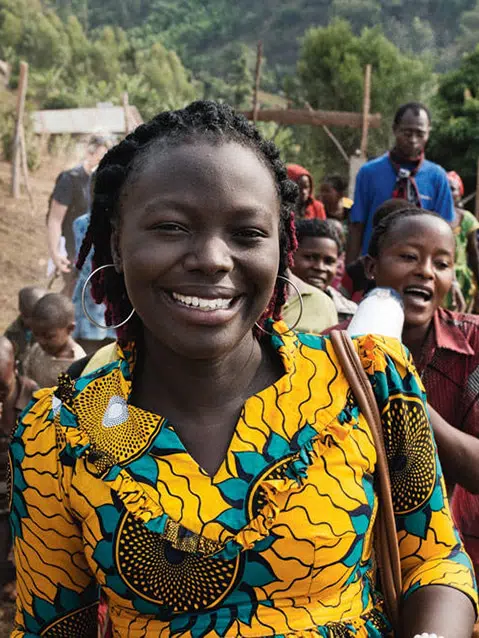
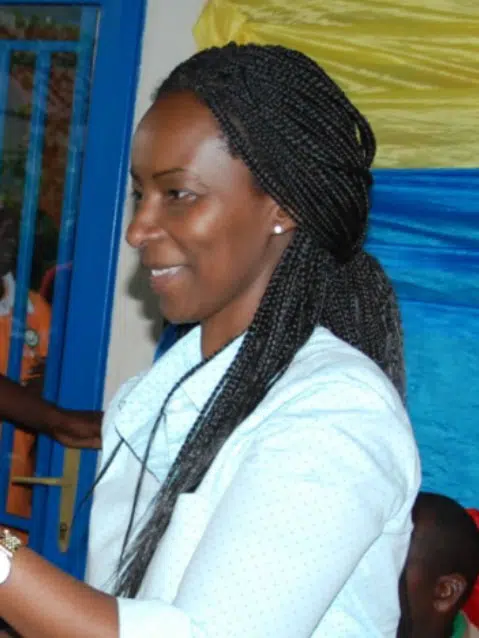
Kivubelt Coffee – Nyaruzina Estate (Lake Kivu, Rwanda)
Led by Rwandan-Swiss economist Furaha Umwizeye, this 16-hectare farm sits on a boat-access-only peninsula at 1,525 mASL with nearly 27,000 trees. Controlling everything on a single estate allows for meticulous hand-picking, producing a clean, washed Red Bourbon with an 85 SCA score.
Cooperativa Las Rosas (Huila, Colombia)
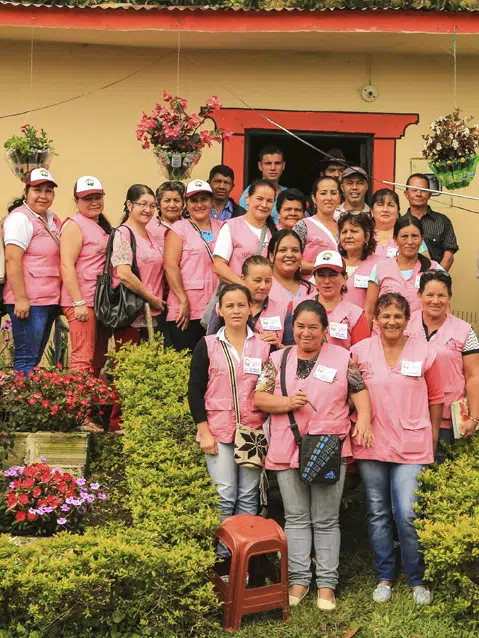
Started in 2010 by 350 women growers, this group produces washed Caturra at 1,700–2,000 mASL (83–85 SCA score), including a chemical-free Swiss Water decaf option. Their coffee premiums sustain a $37,000 women-run credit fund, offer family counseling, and have provided leadership and financial training to 550 community members.
Fazenda Aragão (Cerrado Mineiro, Brazil)
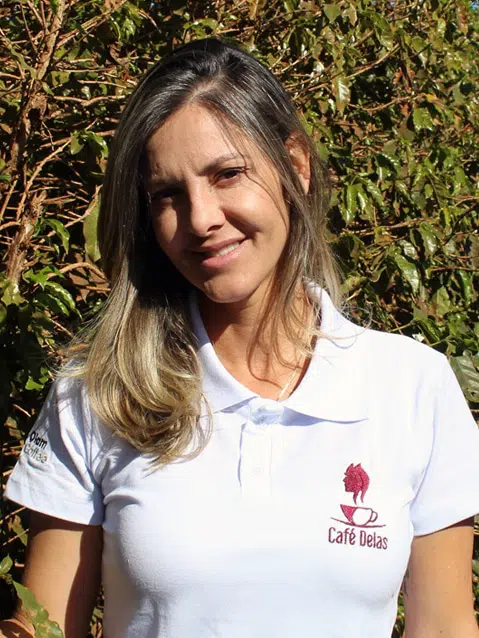
Run by multi-generational grower Andreia Ribeiro Silva, this 8,100-hectare estate is located in Brazil’s first official Denomination of Origin coffee region. Thanks to a dry harvest season, the farm naturally dries large Catuai beans (screen size 16+) at 800–1,350 mASL, earning an 84 SCA score.
Kokowagayo Cooperative (Sumatra, Indonesia)
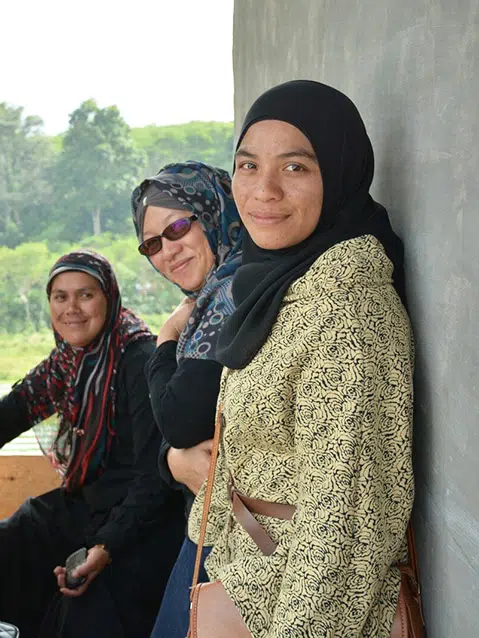
As Sumatra’s first all-woman cooperative, Kokowagayo is run by an 18-woman leadership team and unites 544 female farmers across 492 hectares. Growing coffee at 1,200–1,500 mASL (83 SCA score), the group invests its Fair Trade premiums into financial training and off-season small business programs.
7 Voices from Meru (Meru County, Kenya)
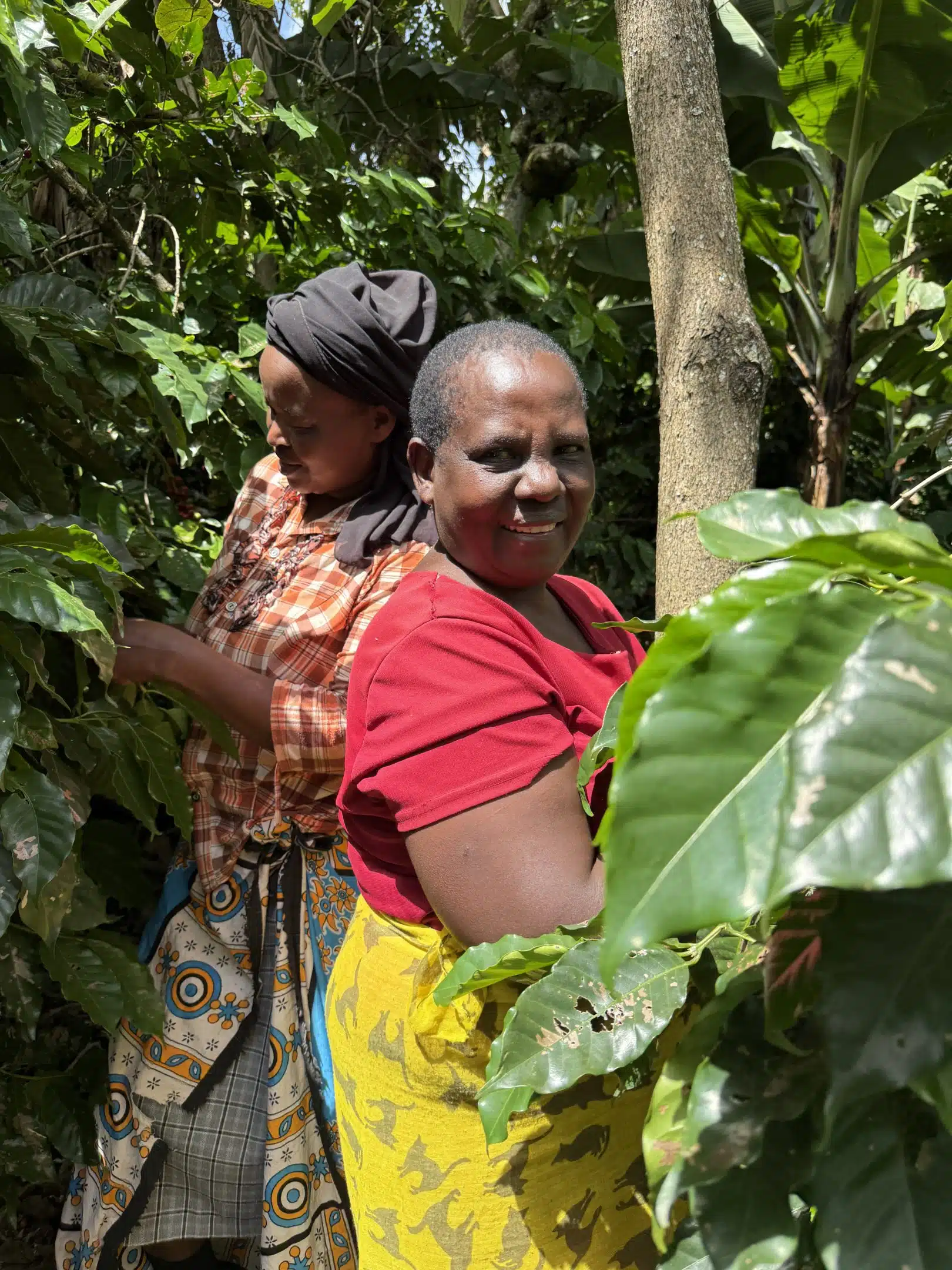
Seven women farmers partner with social enterprise NGUVU and a Swiss school. Located at grow Ruiru 11, SL 28/34, and K7 beans. Located at 1,200–1,500 mASL, these major Kenyan Arabica coffee varieties scored an impressive 86 SCA. By using a natural drying method that saves 95% of water, their profits fund raised drying beds, weather tunnels, and future solar training facilities.
Sisters from Nariño (Samaniego, Colombia)
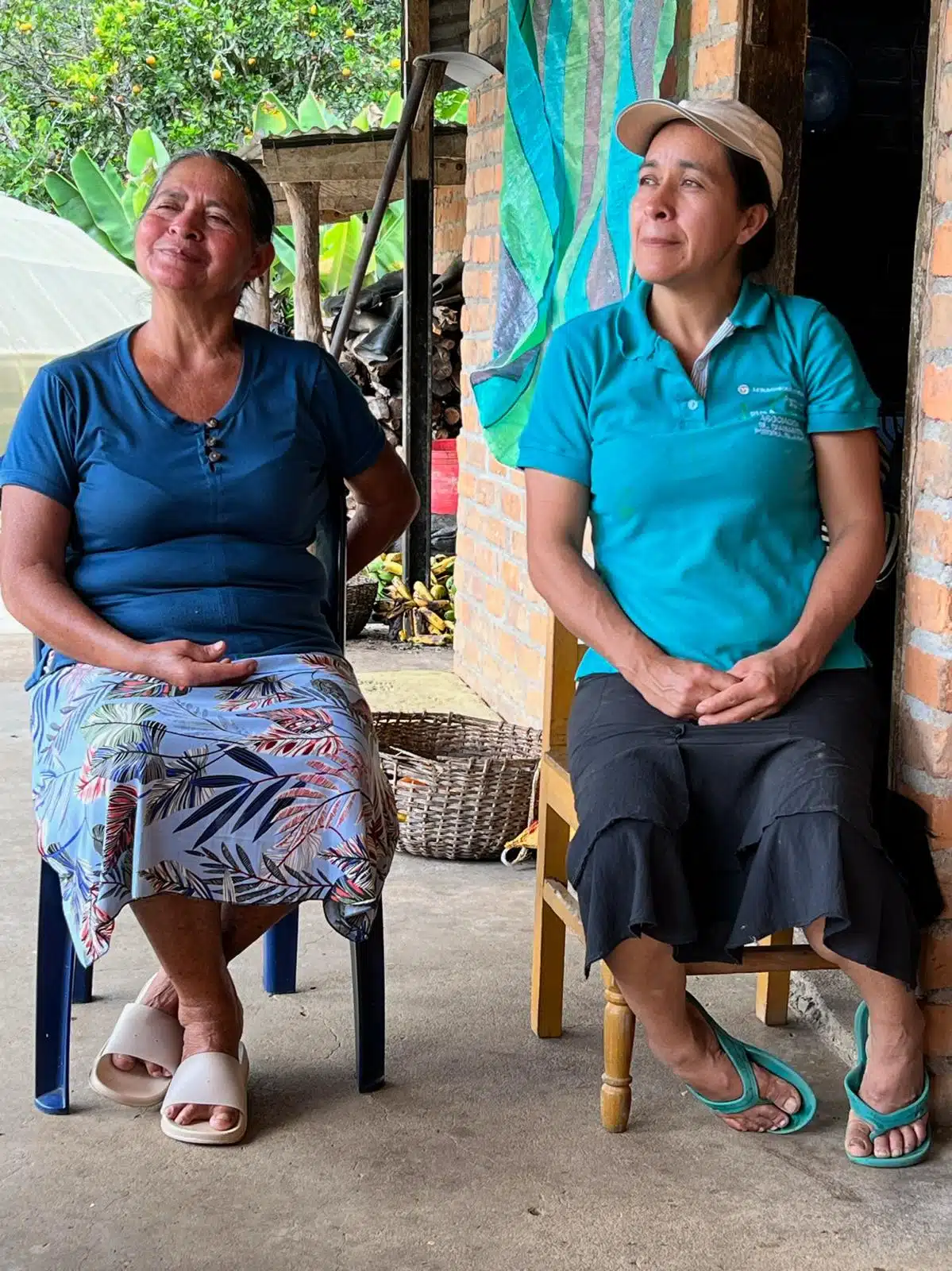
A tight-knit group of women—including Elcy, Elvira, Honoria, Marina, Geny, Omaira, and Esperanza—cultivate small 1-to-3-hectare mountain plots at 1,600–2,000 mASL. By trading directly with Switzerland without middlemen, they earn fair prices for their hand-picked, washed Caturra, Castillo, and Colombia varieties which score an 85 SCA.
Changing customer’s habits one sip a a time: Home-Compostable Pods
Most of the DONA coffee sold is in beans, however, the owners of a coffee capsule machine can also taste these beautiful coffees. Traditional coffee pods create tons of plastic and aluminum waste. Dona Coffee solved this by creating home-compostable coffee capsules, compatible with Nespresso machines. When you're finished with a capsule, you can throw it directly into your garden compost or bio-waste bin—it breaks down naturally without harming the environment.
So not only does it help reduce waste and empower women farmers, but it can also be consumed by a wide range of people who don’t own the top-notch traditional coffee machine.
A good ambition to change people’s habits.
Final roasting process
Social impact means nothing if the coffee doesn't taste great. Dona Coffee only buys high-grade 100% Arabica beans scored by the Specialty Coffee Association (SCA).
To ensure maximum freshness and taste, Elisa makes sure that the beans are imported directly from partner farms run by women. They are then roasted in small batches locally in Satigny, in the Canton of Geneva, Switzerland.
- The Eversys Team